
Filters
Filters
Clear all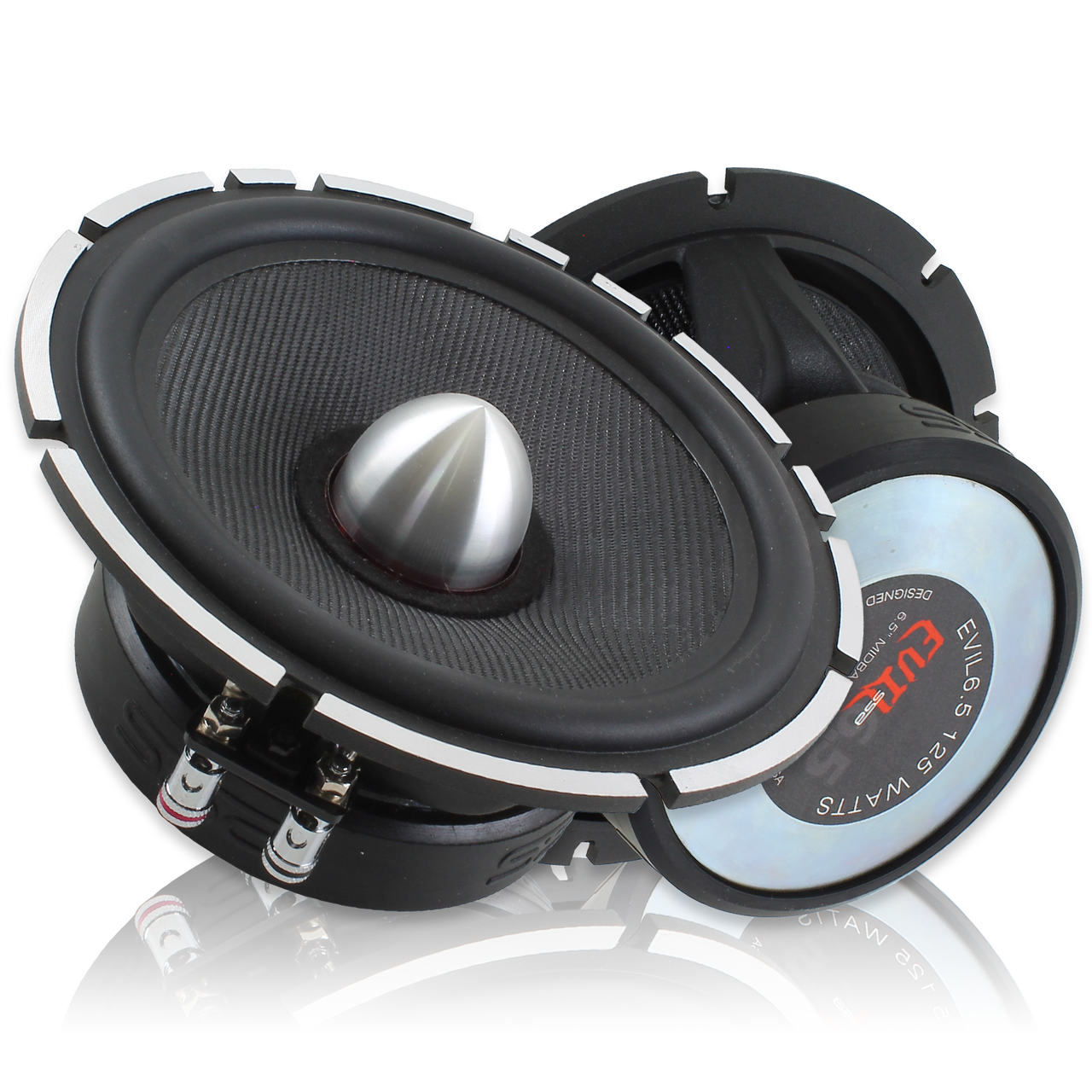
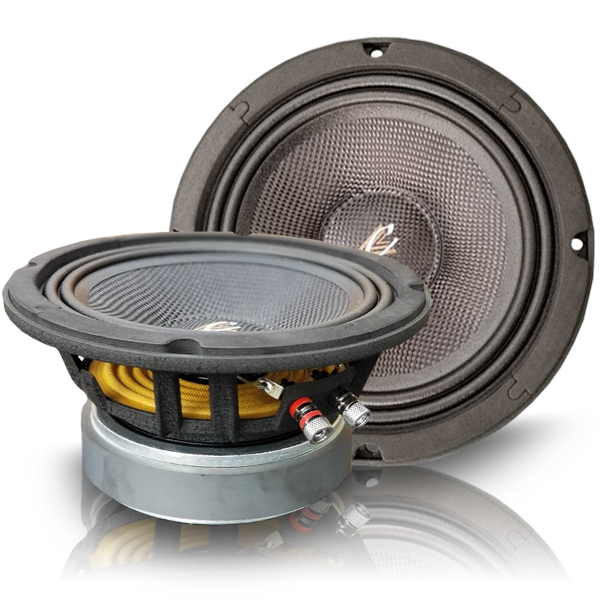
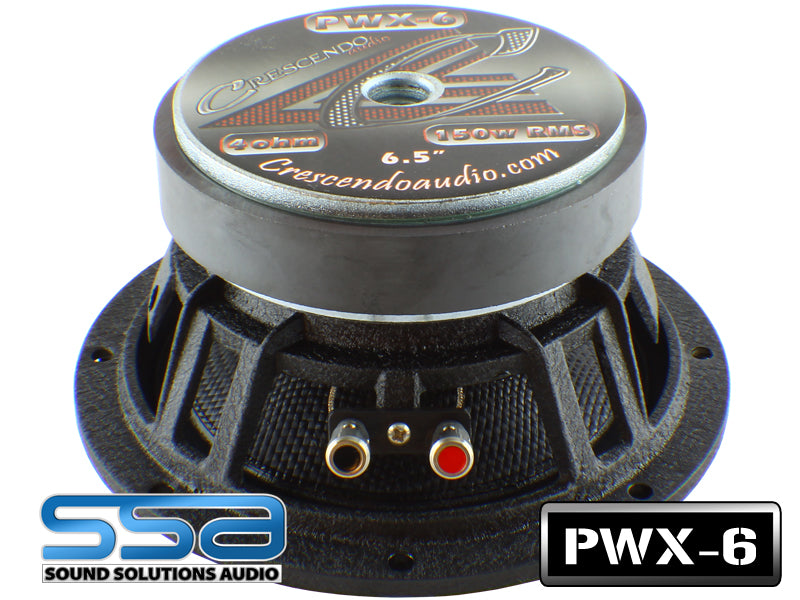
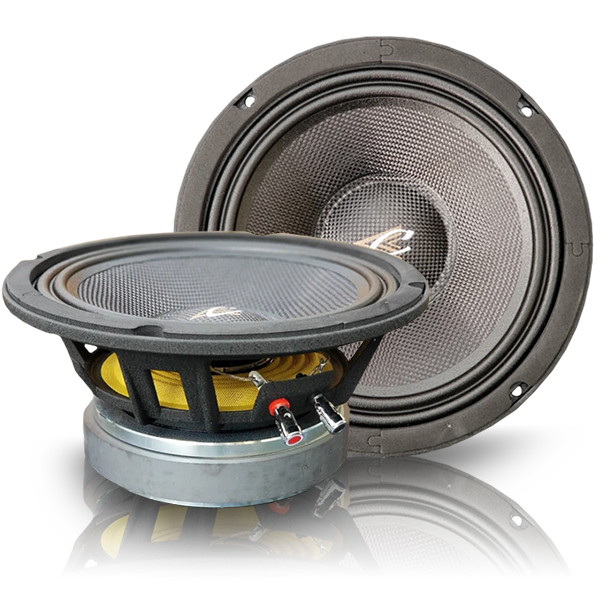
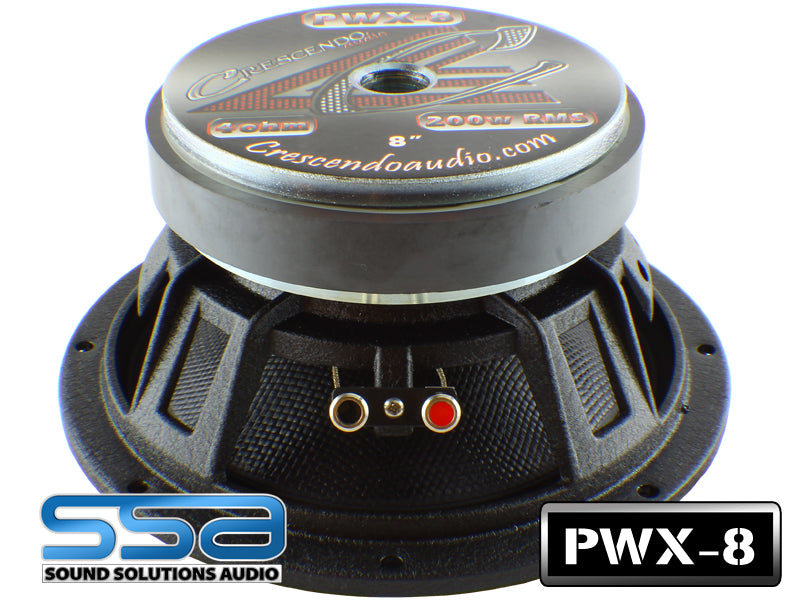
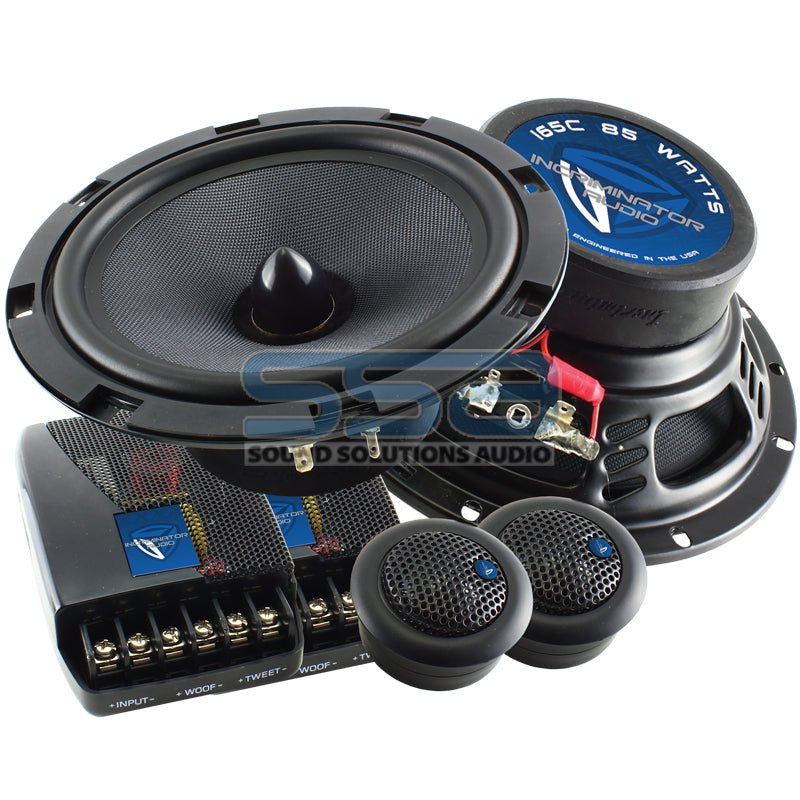
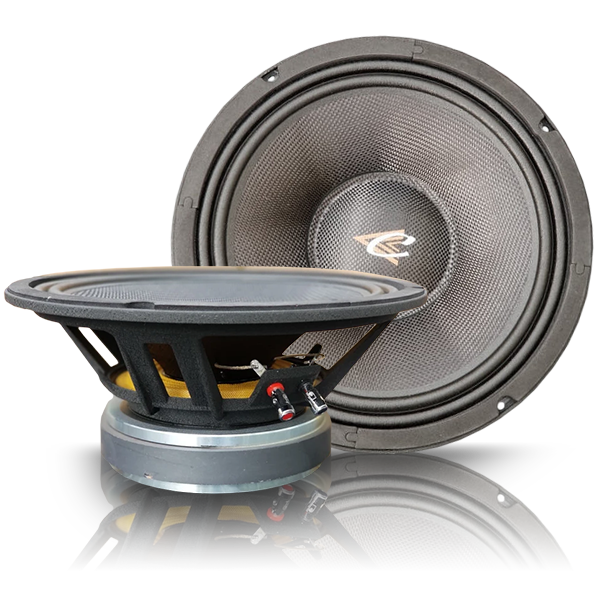
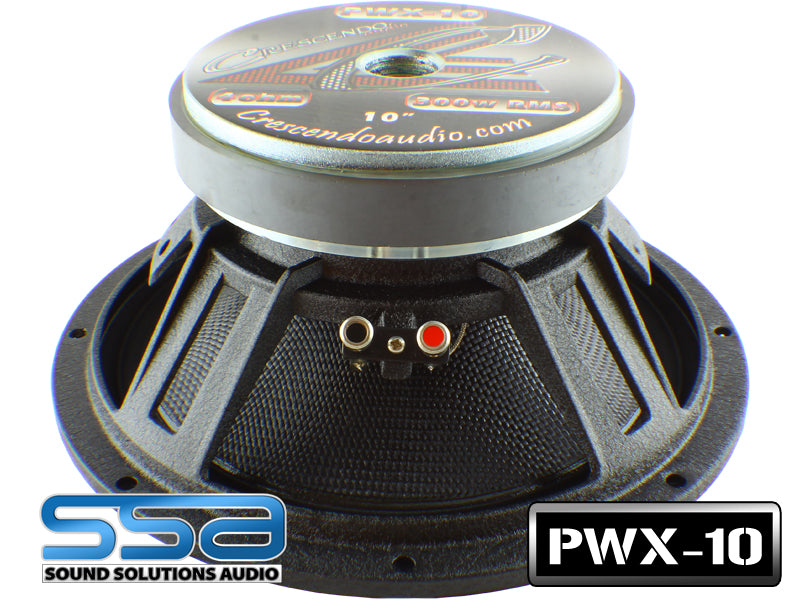
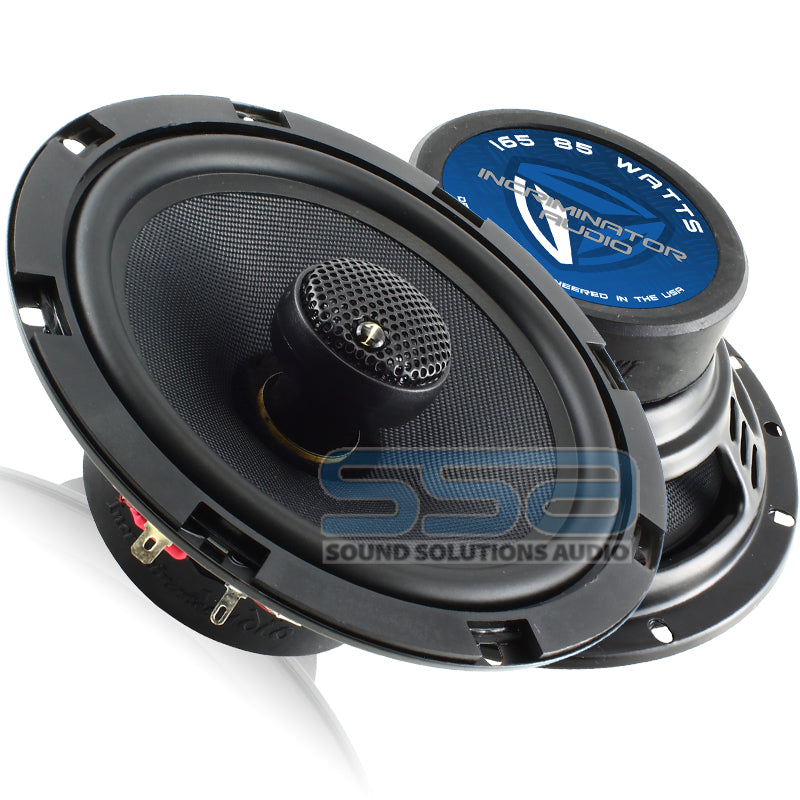





Shop speakers by type
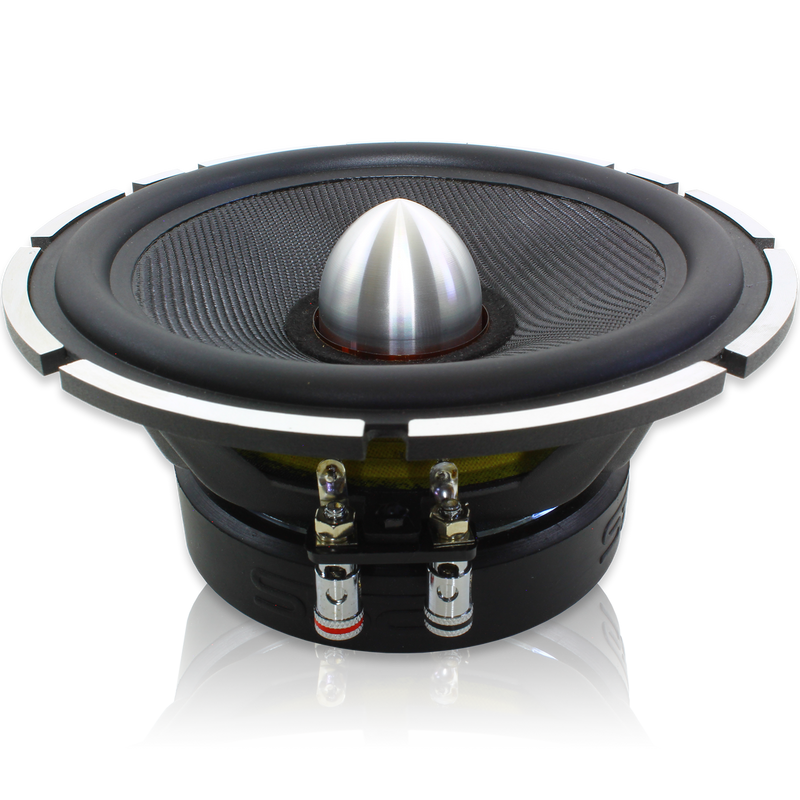
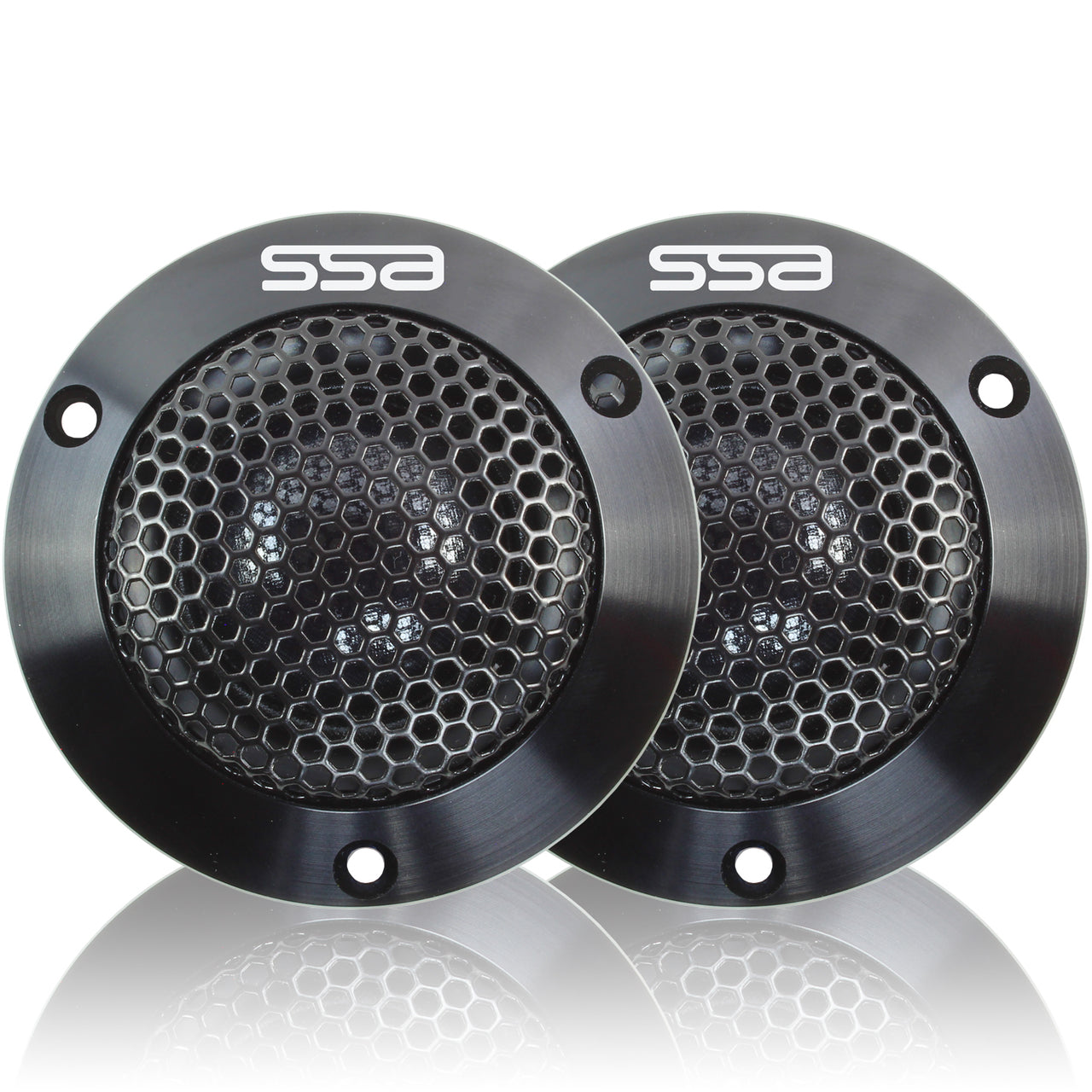
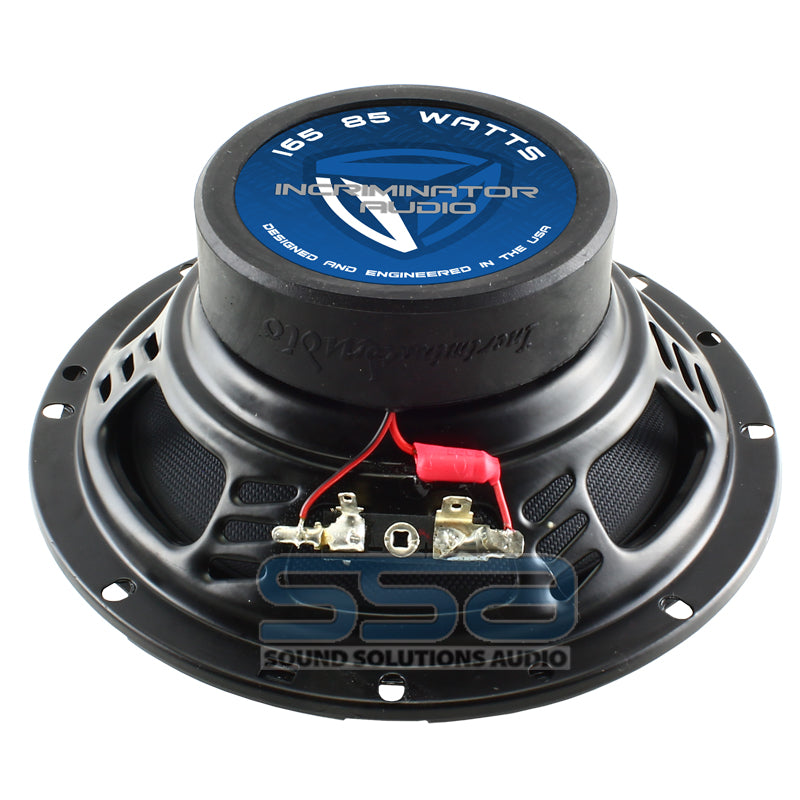
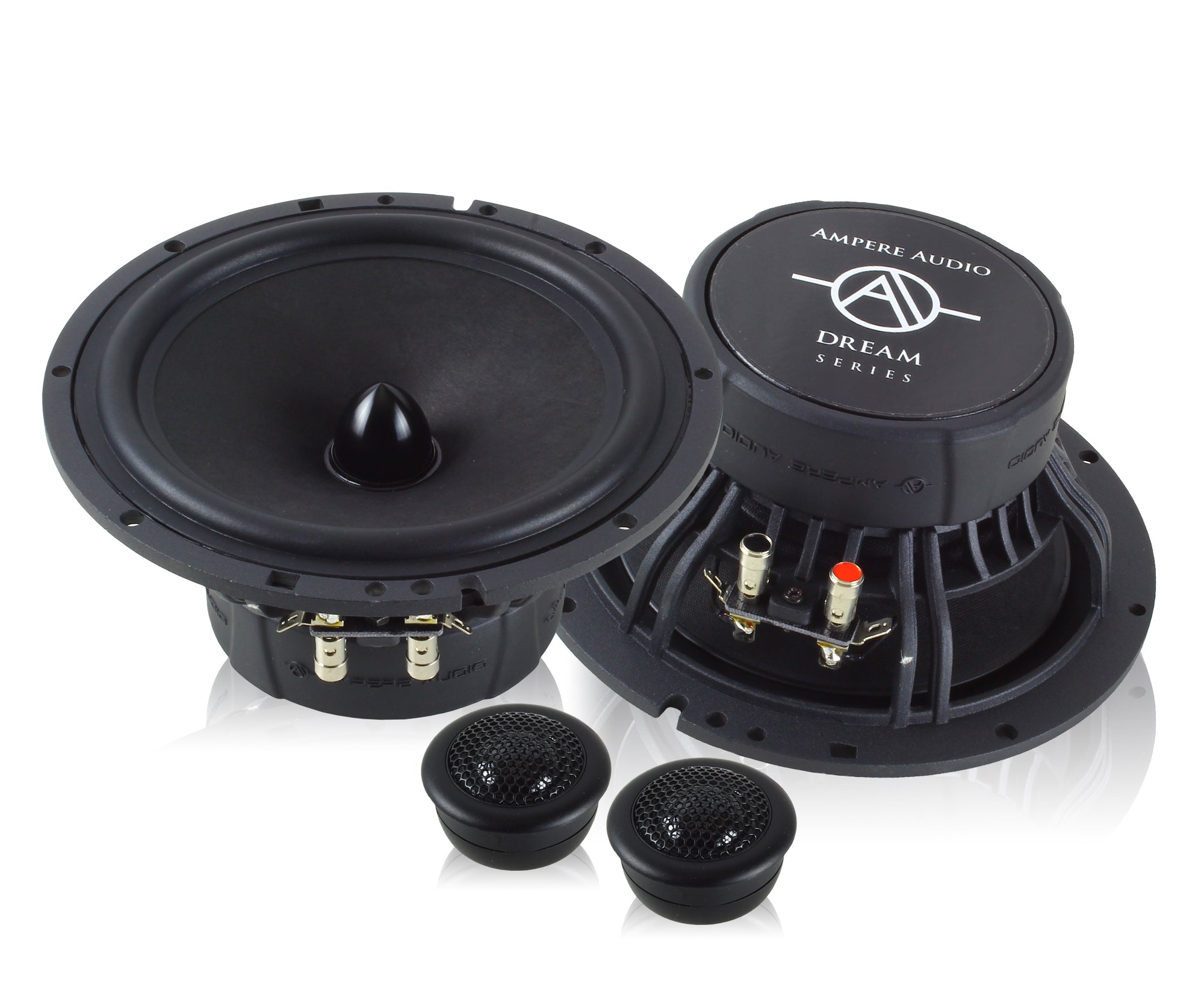
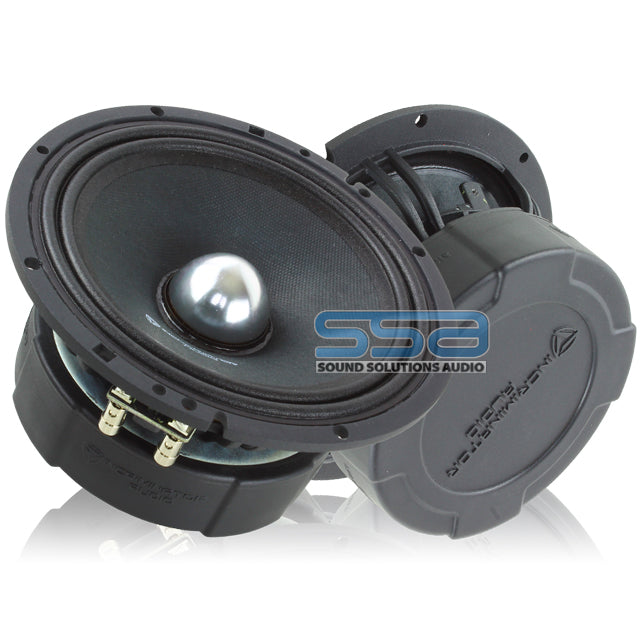
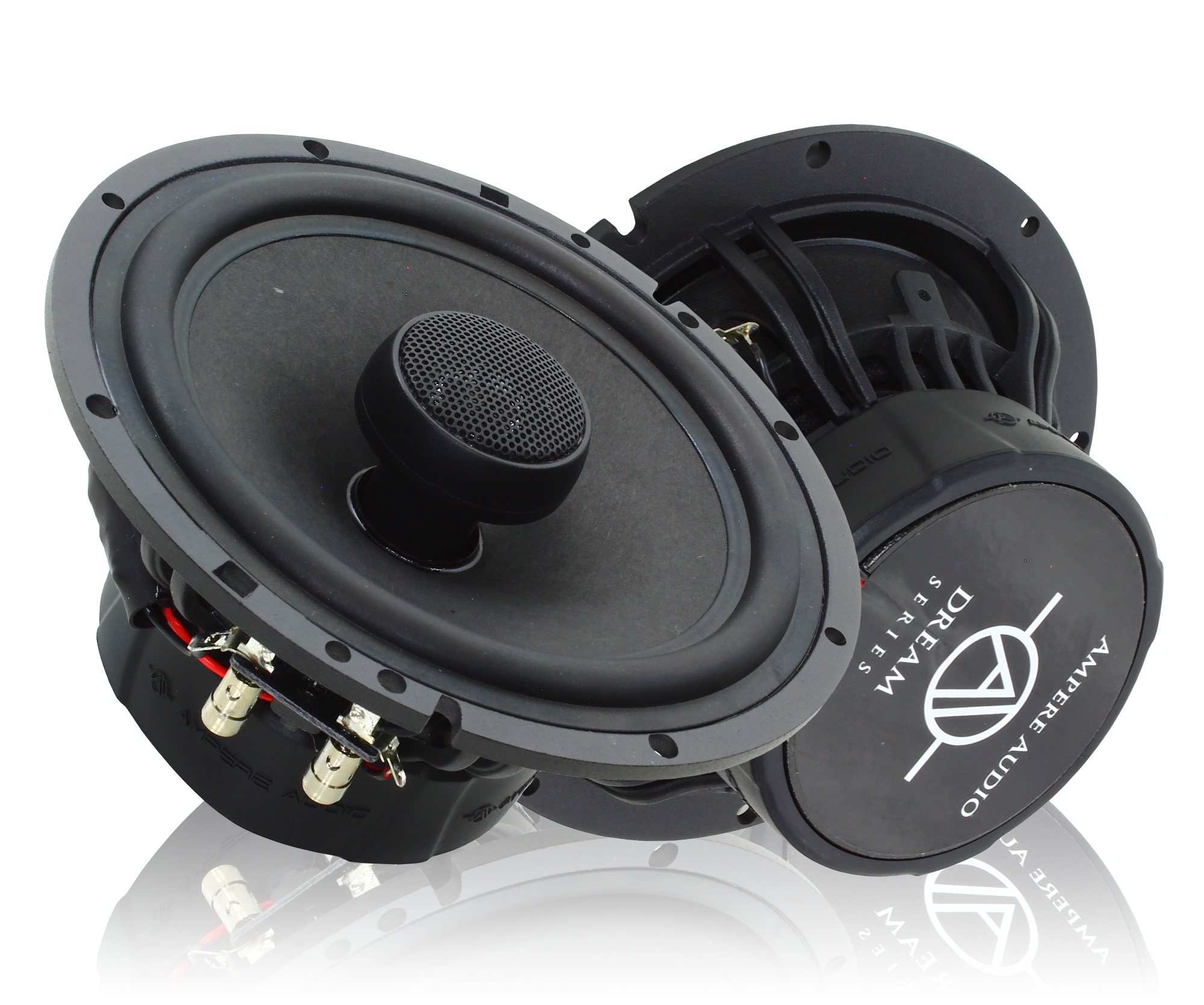
Coaxials are the drop-in replacement: a woofer with the tweeter mounted in the middle, one hole, no crossover box. Component sets separate the tweeter so it can go up on the A-pillar or sail panel for a higher, wider soundstage. Pro audio midrange and midbass drivers are the loud option: high-sensitivity cones that make 5 to 10 dB more per watt than a typical coaxial, which is what it takes to hear vocals over a pair of 15s. Add a horn or bullet tweeter and you have the front stage most of our customers build.
- Coaxial speakers
- Component sets
- Midrange speakers
- Midbass speakers
- Tweeters
- Pro audio speakers
- Marine speakers
Shop by size
6.5 inch is the most common door size and the deepest section here. 6x9 and 5x7 / 6x8 are rear-deck and door ovals for many Ford, GM and import applications; 8 and 10 inch pro audio mids are for kick panels, custom door pods and dash builds.
Shop by brand
- Orion Car Audio
- Massive Audio
- American Bass Godfather
- DC Audio
- Galeforce Audio
- Ampere Audio
- Crescendo Audio
- Incriminator Audio
- SSA speakers
Popular series
Orion Cobalt is the value coaxial and component line; Orion HCCA and Massive Audio M Series are the high-output pro audio mids; DC Audio NEO pro audio drivers use neodymium motors for high sensitivity in a shallow basket.
Keeping the front stage up with the bass
A factory-style 6.5 inch coaxial on head-unit power makes about 90 dB at one watt. A pro audio 6.5 inch midrange makes 95 to 98 dB at one watt, and it takes 100 to 200 watts without complaint. Put four of them on a 4 channel amplifier, add a pair of bullet tweeters on a simple capacitor crossover, and the front seats can finally hear the words. Treat the doors with sound deadening so the panel does not rattle at the volumes you are about to run, and use 12 AWG or 14 AWG speaker wire for the runs.
Sound Solutions Audio has been building loud, clean front stages to sit on top of big bass since 2006. Authorized dealer for every brand on this page, free US shipping on orders over $199, financing available at checkout, and honest advice on what fits and what does not before you buy.
Frequently asked questions
What size speakers fit my car?
Most doors take 6.5 inch (or 6.75 inch) rounds; many Ford, GM and older import vehicles use 6x8, 5x7 or 6x9 ovals; dashes and rear pillars are usually 3.5 or 4 inch. Check your vehicle's factory sizes, then measure mounting depth, since pro audio mids are often deeper than the factory speaker.
Coaxial or component speakers?
Coaxials are simpler and cheaper: one hole, one wire pair. Components put the tweeter higher in the car for better imaging and let you use a bigger, better midrange. If you are amplifying the front stage, components or a pro audio midrange plus separate tweeter are worth it.
Do I need an amplifier for my speakers?
For coaxials on a head unit, no. For anything meant to keep up with a subwoofer system, yes. Pro audio mids and midbass drivers are rated for 100 watts and more and only sound right with real power behind them; a 4 channel amplifier is the usual choice.
What is a pro audio midrange and why is it so loud?
It is a speaker built like a PA driver: light, stiff paper cone, big magnet, short excursion. The design trades deep bass (which the subwoofer handles anyway) for sensitivity, so it makes several times the output of a typical car coaxial from the same watt. It is the standard front-stage choice for bass-heavy systems.
Do tweeters need a crossover?
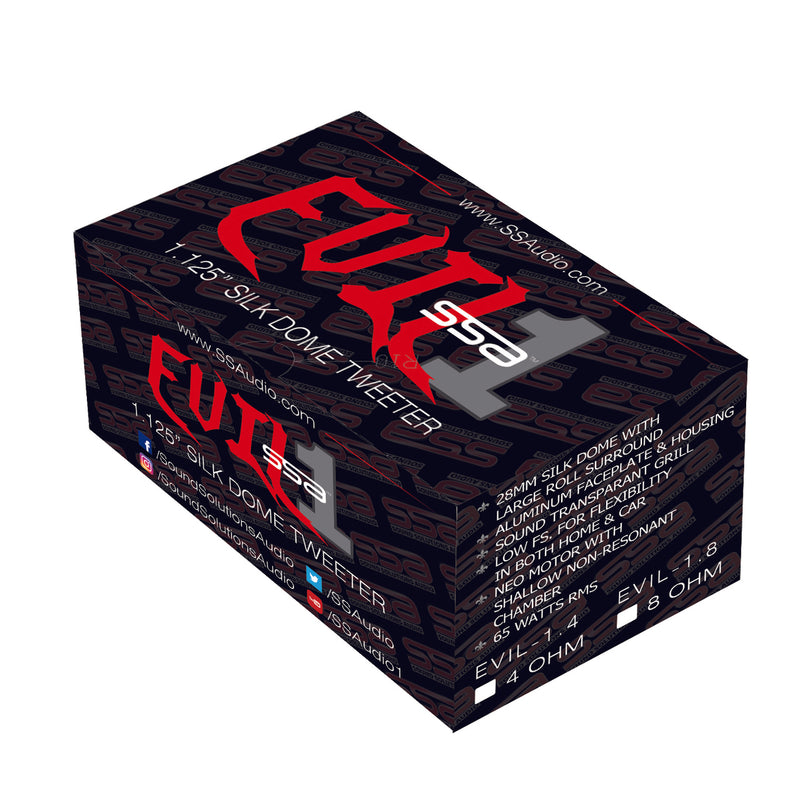
Yes. A tweeter must be kept away from low frequencies or it will fail. Most bullet and dome tweeters here include a bass-blocking capacitor or an inline crossover; if a listing does not mention one, add a crossover or a capacitor rated for the tweeter's crossover point.
