
Filters
Filters
Clear all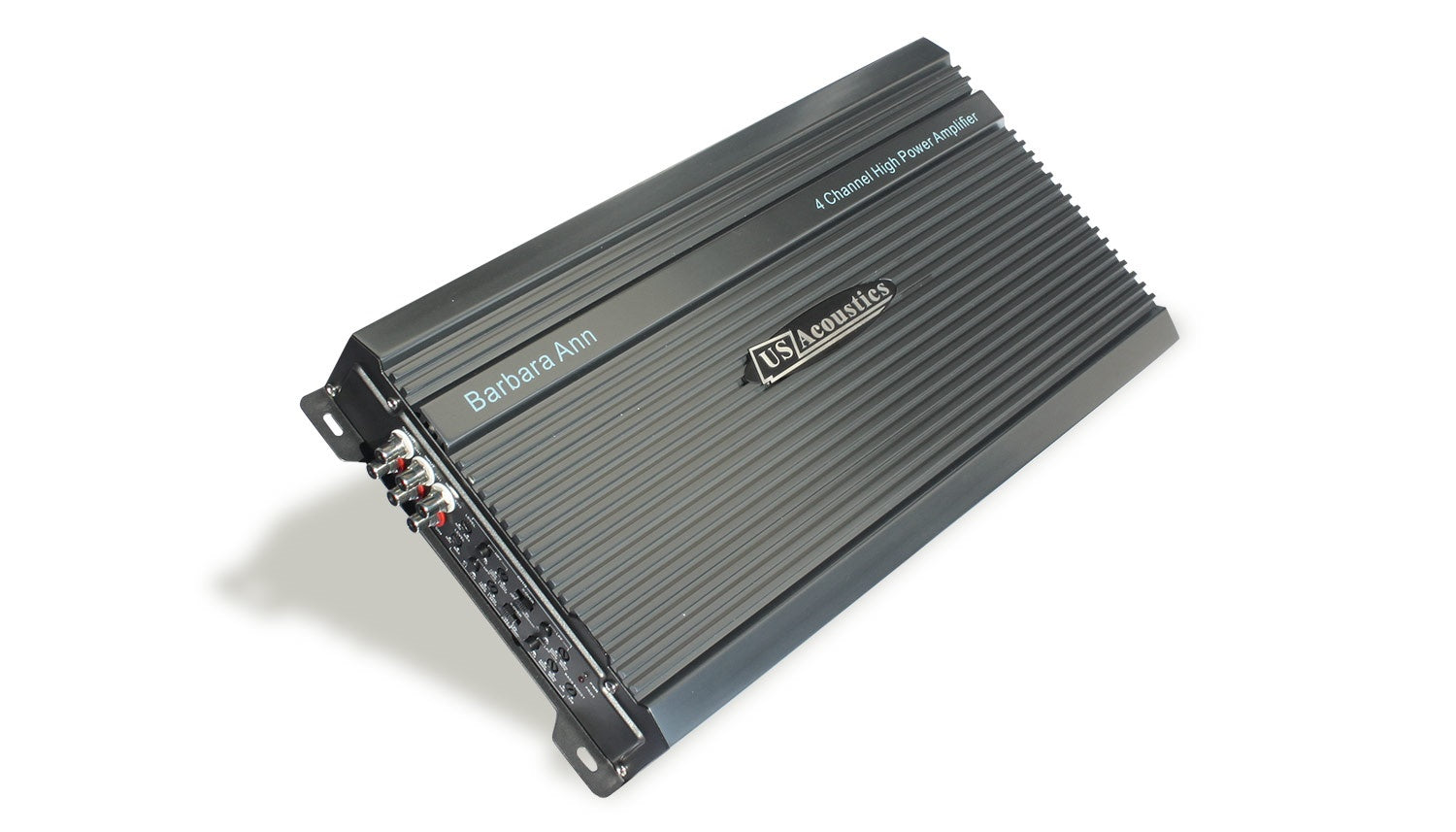
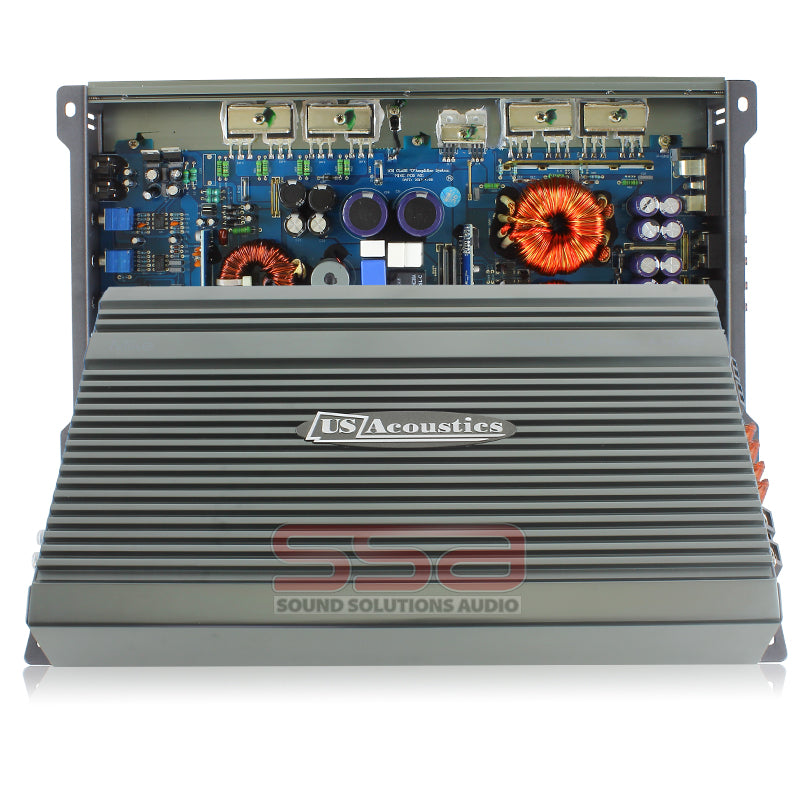
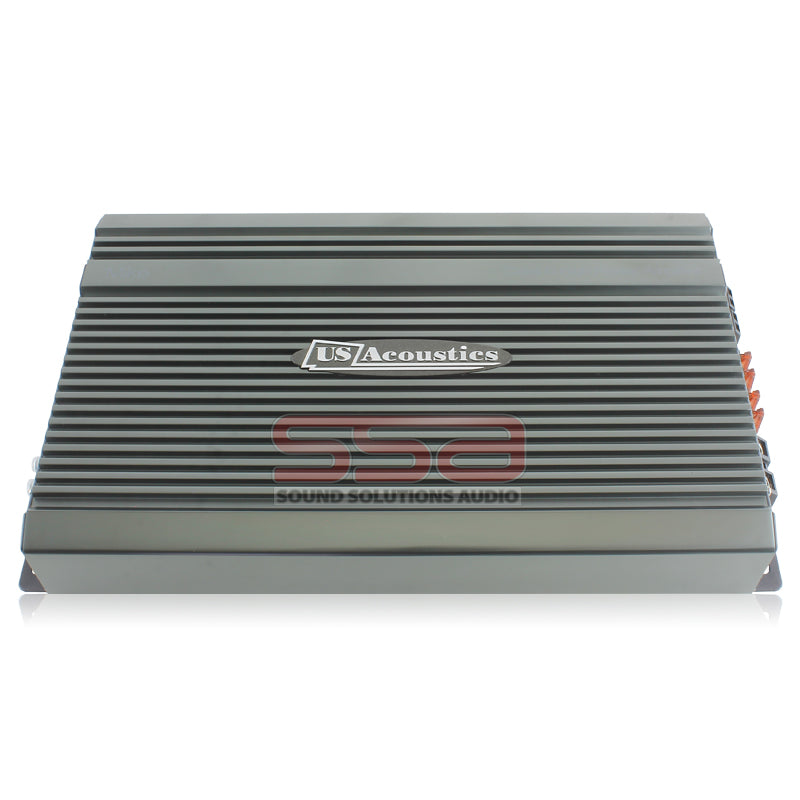
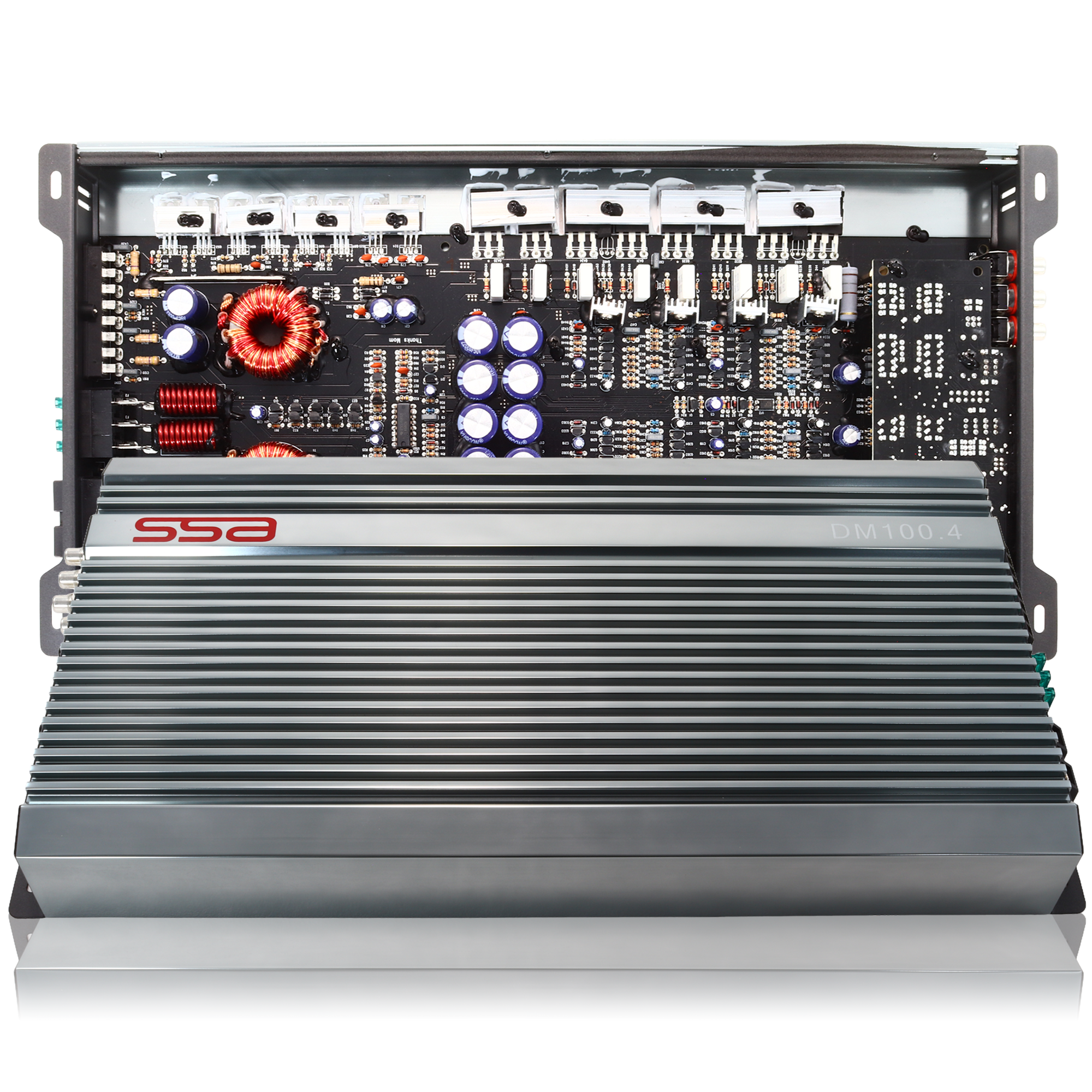
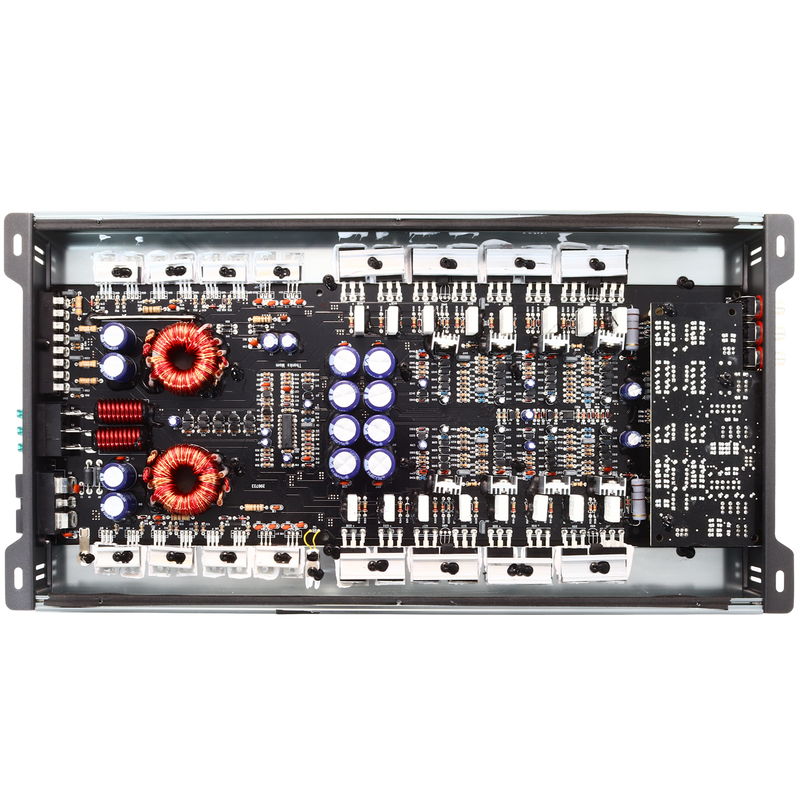
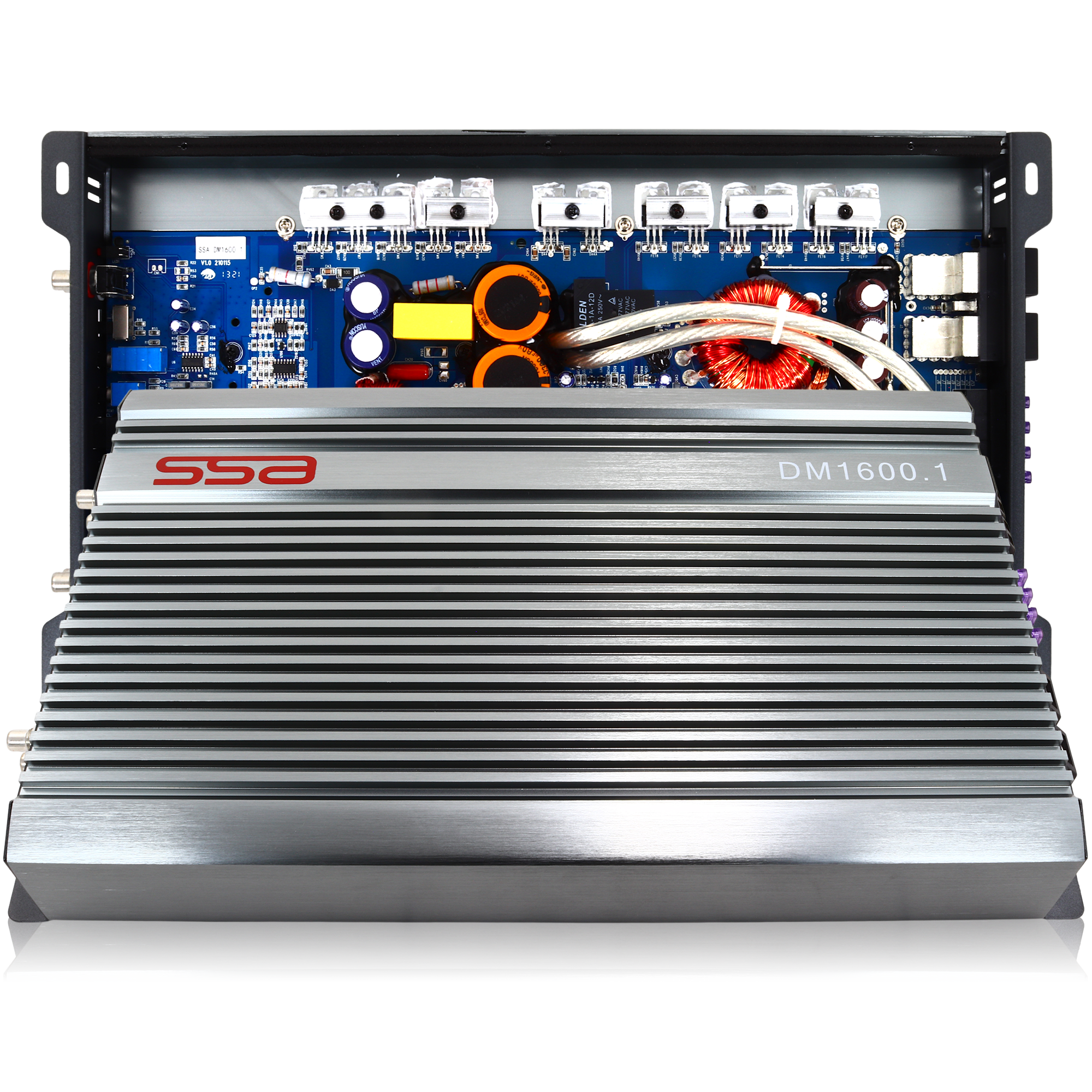
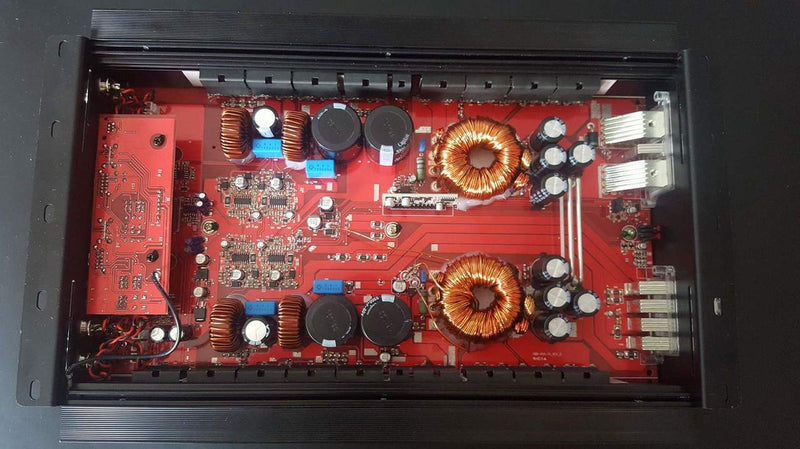
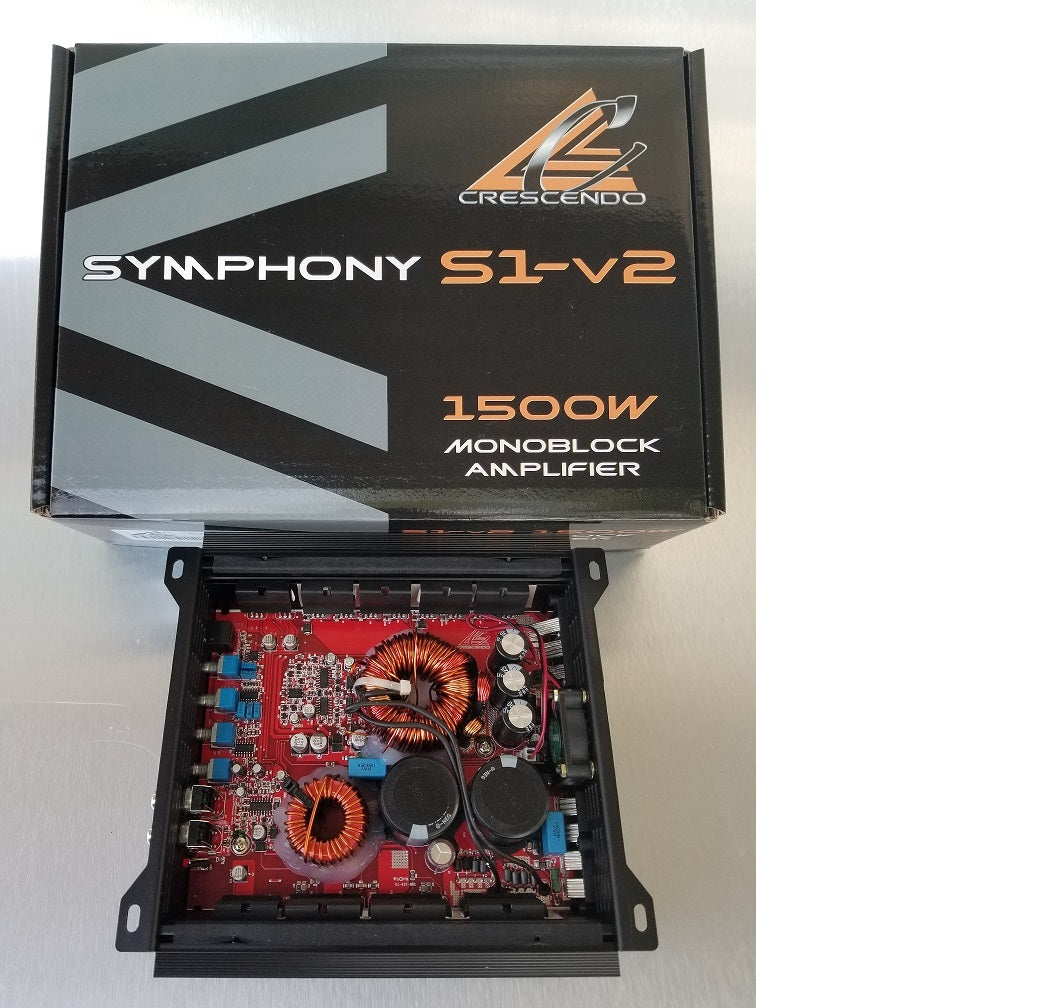
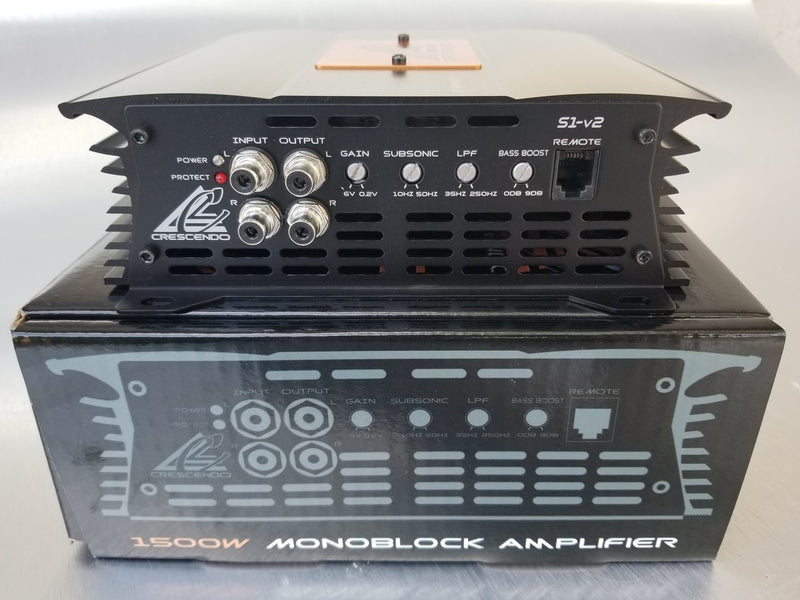
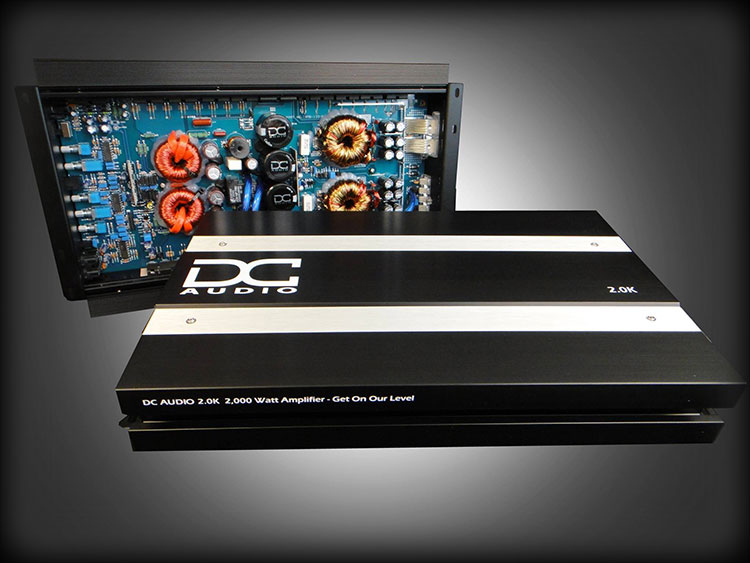
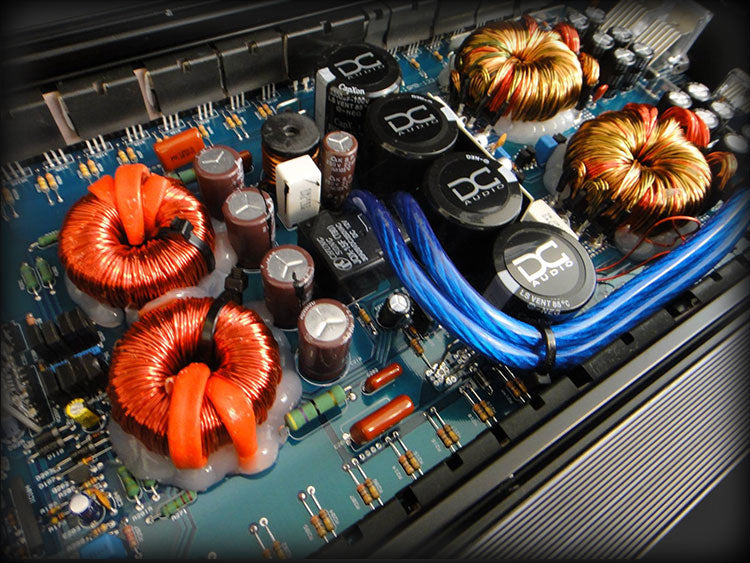
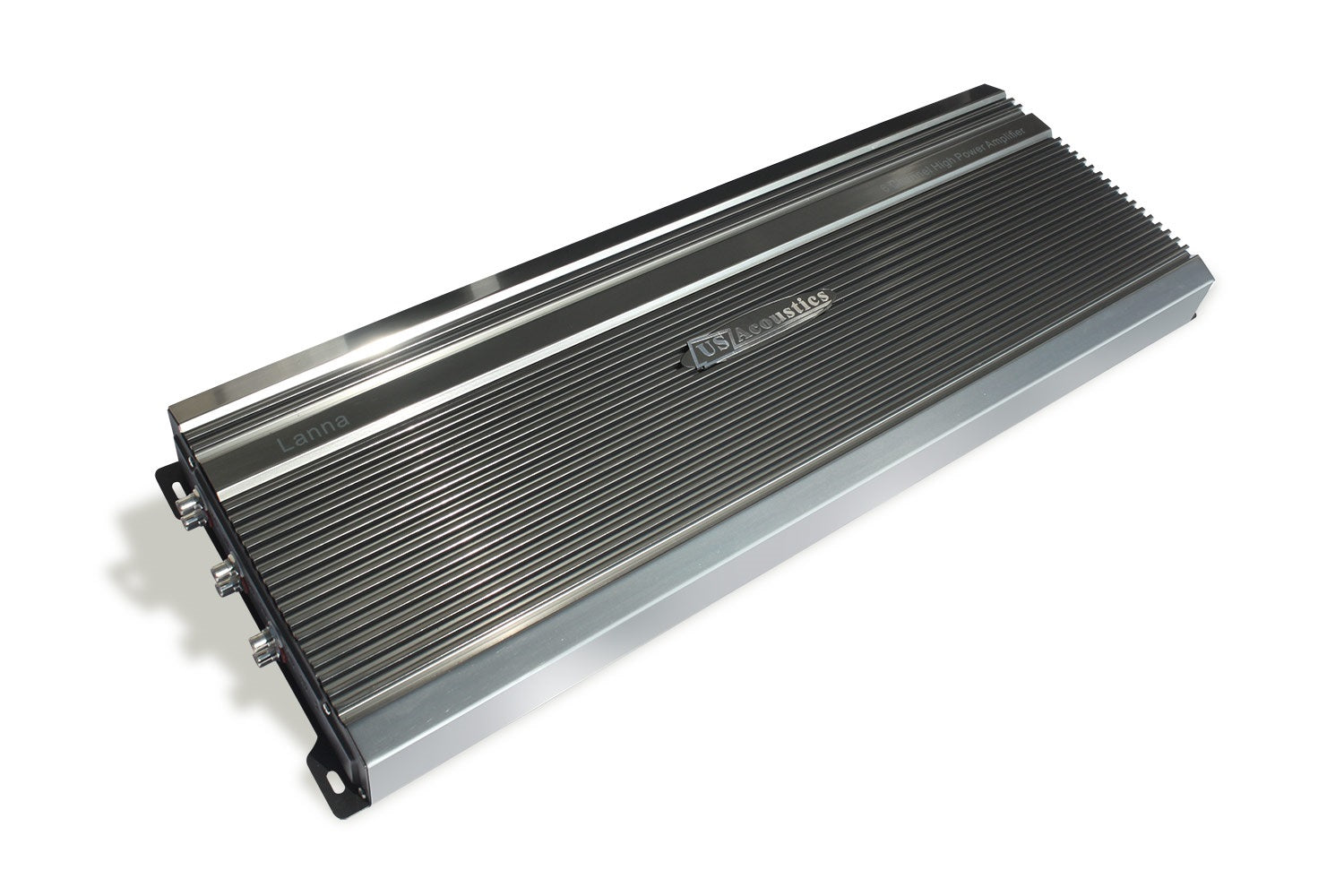


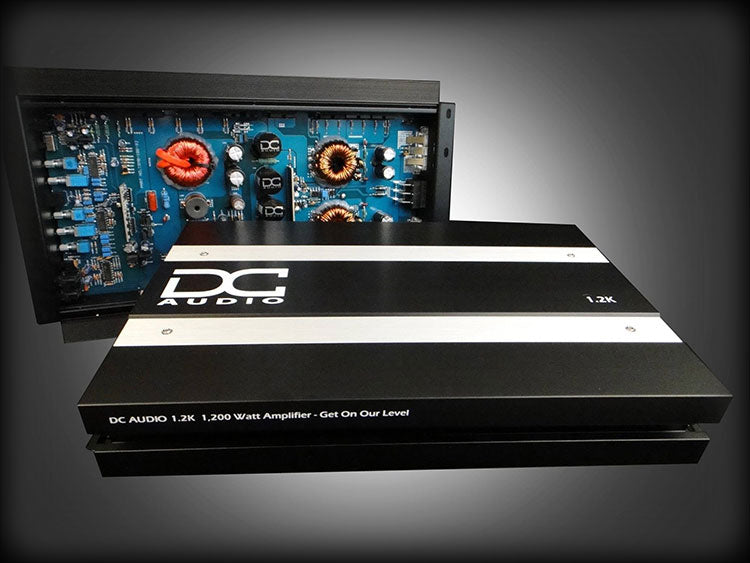



Shop amplifiers by channels
A monoblock drives subwoofers: one channel, built to run at 1 or 2 ohms and make its full power into a reactive bass load. Multi-channel amplifiers run door speakers, midranges and tweeters; a 4 channel is the usual front-stage choice, a 2 channel covers a pair of components or bridges to a single sub, and a 5 or 6 channel powers a whole system from one chassis.
Shop by power
These groups are by rated RMS output. The right one is set by your subwoofers' RMS rating and the impedance you will wire them to, not by the biggest number you can afford; an amplifier that makes twice what the sub can take is only useful if you never turn it up.
Shop by brand
- Orion Car Audio
- VFL Audio
- American Bass
- Massive Audio
- DC Audio
- Incriminator Audio
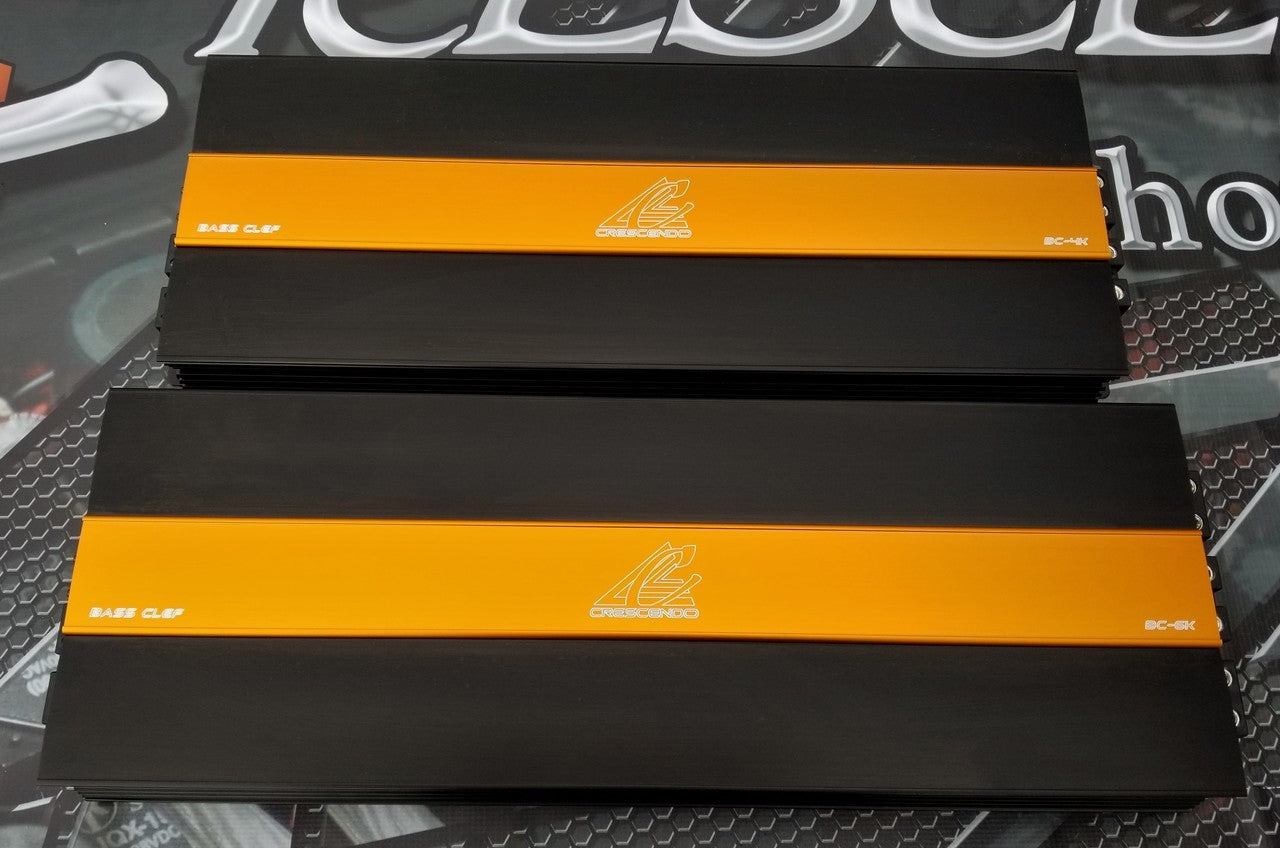
- Crescendo Audio
- US Acoustics
- Ampere Audio
- SSA amplifiers
How to choose an amplifier
Match RMS power at the real impedance
Read the amplifier's RMS rating at the impedance your subwoofers will present after wiring. A "3,000 watt" monoblock might make 3,000 at 1 ohm, 1,800 at 2 ohms and 1,000 at 4 ohms. Wire the subs to the load where the amplifier makes the power the subs are rated for. Our subwoofer pages explain the dual-voice-coil arithmetic.
Class D or class A/B
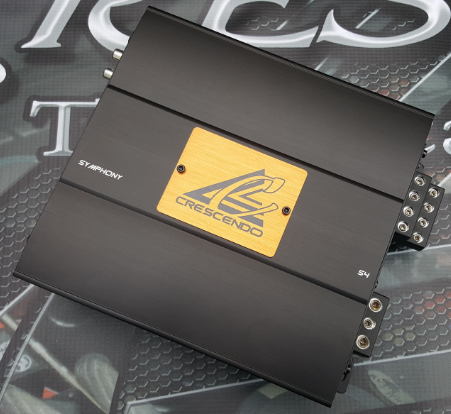
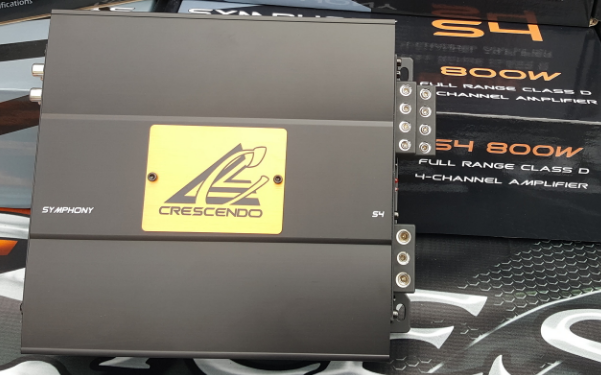
Nearly every monoblock here is class D: efficient, compact and the right tool for bass. For front-stage amplifiers, class A/B units such as the US Acoustics line trade some efficiency for a sound many listeners prefer on midrange and tweeters, while full-range class D 4 channels give the most power per dollar and per inch of mounting space.
Feed it properly
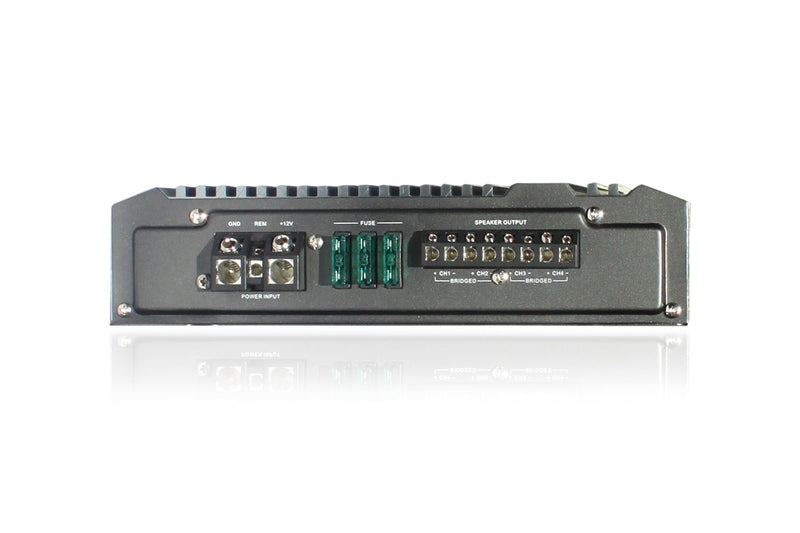
Power is the part most installs get wrong. A 2,000 watt class D amplifier can draw close to 200 amps at full output, more than most stock alternators make in total. Size the power wire to the current and the run length (1/0 AWG for big monoblocks, 4 AWG for most 4 channels), do the Big 3, and above about 1,500 watts plan on a high output alternator or an AGM or lithium battery bank. A capacitor is not a substitute for either.
Amplifier add-ons
- Amp wiring kits
- 1/0 AWG power wire
- 4 AWG power wire
- Bass knobs and remote level controls
- RCA cables
- Processors and DSPs
- Sub and amp package deals
Sound Solutions Audio has been matching amplifiers to subwoofers since 2006 and is an authorized dealer for every brand on this page, which means a real warranty and real support. Orders over $199 ship free in the US and financing is available at checkout. If you are between two amplifiers, send us the subs and the vehicle and we will tell you which one.
Frequently asked questions
How much amplifier power do I need for my subwoofer?
Roughly the subwoofer's RMS rating, measured at the impedance you will wire it to. Two 500 watt RMS subs want an amplifier that makes about 1,000 watts RMS at the final load. A little more power with a clean signal is safer than too little power driven into clipping.
What does 1 ohm stable mean?
It means the amplifier is designed to run continuously with a 1 ohm load on its output, which is how most dual-voice-coil subwoofers are wired for maximum power. An amplifier that is only 2 ohm stable will overheat or shut down at 1 ohm. Match the amplifier's stable load to your wiring plan.
What gauge power wire does my amplifier need?
Size it by current draw and run length. As a rule, 4 AWG covers amplifiers up to about 1,000 to 1,200 watts RMS, and 1/0 AWG is the choice from about 1,500 watts up. Use oxygen-free copper, fuse within 18 inches of the battery, and ground to bare, sanded metal with the same gauge.
Do I need a capacitor, a second battery or a bigger alternator?
In that order, no, maybe and probably. A capacitor stores very little energy and mostly hides a problem. A second AGM or lithium battery helps with short bursts. Only a high output alternator adds real charging current, and above roughly 1,500 watts RMS it is the upgrade that keeps voltage up while the music plays.
Class A/B or class D?
Class D for subwoofers, always: it is far more efficient, so it makes more bass per amp of current and runs cooler. For midrange and tweeters either works; class A/B amplifiers have a following for their sound, class D full-range amplifiers give more power in a smaller chassis.
